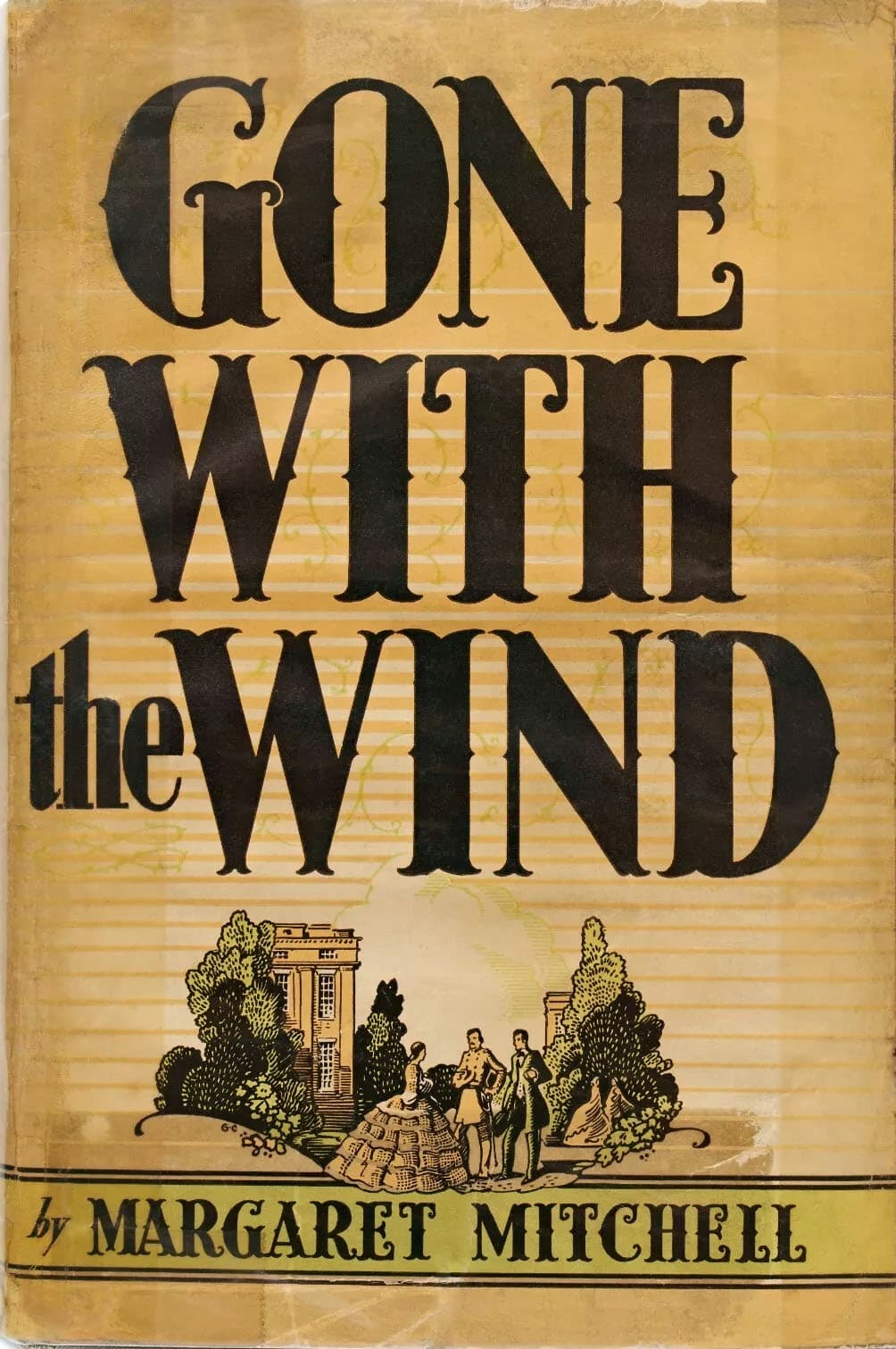
Gone with the Wind book cover

Gone with the Wind Summary and Complete Study Guide

by Margaret Mitchell
Published: 1936Historical FictionPulitzer Prize 1937

Complete Study Resources:

✓ Full plot summary

Scarlett O'Hara survives the Civil War and Reconstruction through sheer will, manipulation, and her obsession with Ashley Wilkes.

Complete Plot Summary

Scarlett wants Ashley, but he marries Melanie. When the Civil War starts, Scarlett marries someone else out of spite, becomes a widow, and moves to Atlanta. The war destroys everything—Atlanta burns, the plantation is ravaged, her mother dies, her father loses his mind. Scarlett promises she'll never be hungry again and becomes ruthless about money and survival. She marries for money twice (not love), runs a business, and manipulates men. Rhett loves her but knows she's chasing Ashley, who represents the Old South she idealized.

Main Characters in Gone with the Wind

Gone with the Wind features complex characters representing different aspects of society and the human condition.

Scarlett O'Hara is beautiful, selfish, and determined to survive no matter what. She loves Ashley Wilkes, who marries the gentle Melanie instead. Rhett Butler is the blockade runner who sees through Scarlett's act and loves her anyway. Melanie is saintly and kind but tougher than she looks. Mammy is the enslaved woman who raised Scarlett and isn't afraid to call out her nonsense.

Complete Character Analysis →

The Ending Explained

Scarlett and Rhett have a daughter who dies falling off a horse. Melanie dies from childbirth complications. On her deathbed, Melanie makes Scarlett promise to look after Ashley. Scarlett finally realizes she never loved Ashley—she loved an idea of him. She actually loves Rhett. She rushes home to tell him, but he's done. "Frankly, my dear, I don't give a damn" has become one of cinema's most famous lines, but in the book, his departure feels earned after years of her using him. Scarlett decides she'll win him back somehow: "After all, tomorrow is another day." Mitchell's portrayal of slavery and the Lost Cause mythology is deeply problematic, but the book endures because Scarlett is this fascinating anti-heroine who refuses to be a victim even when she should be. The lesson? Survival sometimes requires becoming someone you don't like. You can chase the wrong dream for years. And realizing what you want only after you've lost it is classic tragedy.

Famous Quotes from Gone with the Wind

After all, tomorrow is another day.

As God is my witness, I'll never be hungry again.

Why This Book Matters

Published 1936, won the Pulitzer Prize 1937. The 1939 film with Vivien Leigh became one of Hollywood's most famous movies and cemented Scarlett in American culture. The book sold 30 million copies in its first year and has never gone out of print. Here's the uncomfortable part: it romanticizes the Confederacy and presents slavery through the "Lost Cause" mythology—enslaved people are depicted as generally content, Reconstruction as worse than slavery, and the Old South as gracious and noble. Modern readers recognize this as propaganda. The book has been criticized for racist stereotypes and glorifying a slave society. Yet it endures partly because Scarlett herself breaks conventions—she's ambitious, manipulative, and survives by refusing to be the ideal Southern belle. Mitchell creates this complex anti-heroine in a deeply problematic historical framework. You can acknowledge its literary influence and Scarlett's iconic status while also recognizing its harmful ideology. It's a perfect example of how you can admire craft while condemning content.