← Back to all books
Jane Eyre
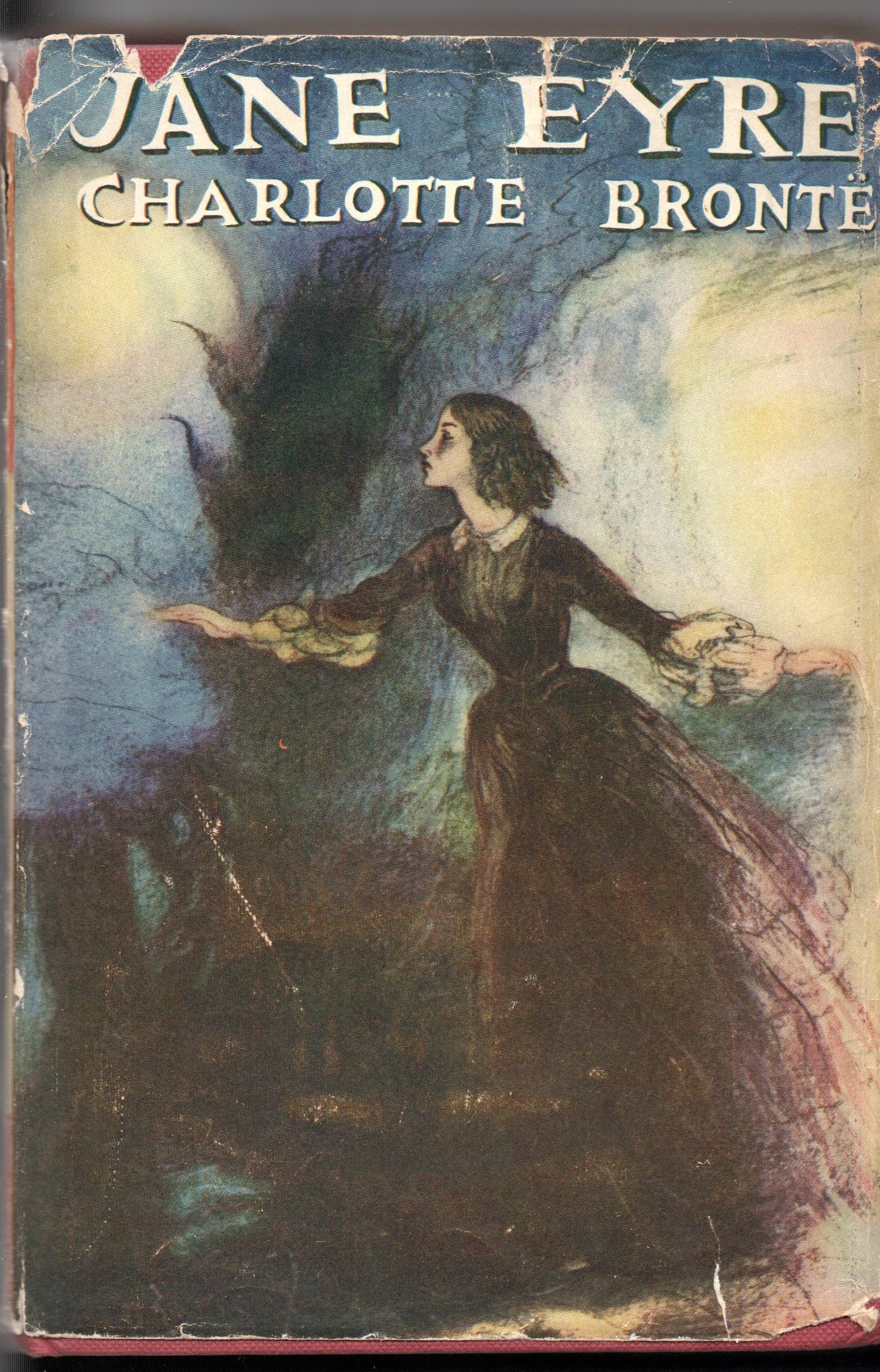
Jane Eyre Summary and Complete Study Guide
by Charlotte Brontë
Published: 1847RomanceLiterary Classic
Complete Study Resources:
✓ Full plot summary
A plain, principled governess falls for her brooding employer, only to discover he's hiding a terrible secret in the attic.
Complete Plot Summary
After a miserable childhood in an orphanage, Jane becomes a governess at Thornfield Hall. She falls for her employer Rochester despite their class difference. Rochester falls for her too, valuing her mind and spirit over conventional beauty. Just as they're about to marry, a lawyer reveals Rochester already has a wife—Bertha, who's locked in the attic. Jane runs away heartbroken. She nearly dies but gets rescued by the Rivers family. St. John Rivers wants to marry her and take her to India as a missionary, but Jane realizes he doesn't love her, he just wants a helper.
Main Characters in Jane Eyre
Jane Eyre features complex characters representing different aspects of society and the human condition.
**Jane Eyre**: Plain, small, poor, and absolutely refusing to be less than she is. Victorian society told women to be decorative and obedient. Jane is neither. She talks back to her abusive aunt as a child. She rejects St. John's proposal despite societal pressure. She leaves Rochester despite loving him because staying without marriage would compromise her principles. When she inherits money from an uncle, she immediately shares it with newfound cousins because fairness matters to her. Her plainness is crucial—Brontë is saying beauty isn't required for a woman to be a protagonist. Jane's worth comes from integrity, intelligence, and spirit. She's passionate but disciplined, which Victorian readers found shocking.
**Edward Rochester**: Byronic hero before that was fully a thing—dark, brooding, hiding secrets, kind of an asshole but compelling anyway. He tests Jane constantly, pretending to court another woman to make her jealous, disguising himself as a fortune teller to learn her feelings. He does actually love Jane for her mind, which is progressive for his era. But he also tries to commit bigamy by not mentioning his living wife. His defense that Bertha is mad and he was tricked into marrying her doesn't fully excuse keeping her locked in the attic. His blinding and maiming level the playing field—he becomes dependent, she becomes independent, and they meet as equals.
**Bertha Mason**: The "madwoman in the attic" who became a feminist literary criticism touchpoint. Rochester's Jamaican first wife, now kept locked in the attic with a keeper. She sets fires, bites people, and barely seems human in how she's described. Rochester says she was promiscuous and came from a mad family, but we only get his version. Modern readers question: Was Bertha always mad or did isolation drive her insane? Is her "madness" actually rage at her imprisonment? Wide Sargasso Sea by Jean Rhys later retells the story from Bertha's perspective. She represents Victorian anxiety about female sexuality and what happened to inconvenient women.
**St. John Rivers**: The cold, handsome missionary who wants Jane as a helpmeet, not a wife. He doesn't love her and admits it, but thinks love is unnecessary for Christian marriage. His proposal scene is chilling—he wants to use Jane's abilities for God's work, erasing her personhood. Jane recognizing that marrying him would kill her soul shows her growth. St. John represents duty without warmth, religion without love, and how people can use moral righteousness to control others.
Major Themes in Jane Eyre
**Feminism Before Feminism Had a Name**: Jane declares "I am no bird; and no net ensnares me" and "Do you think I am an automaton?—a machine without feelings?" In 1847, this was revolutionary. Women were supposed to submit to men, seek marriage above all, and accept their lot. Jane refuses. She turns down two proposals—St. John for honorable reasons, Rochester initially for moral reasons. She only marries when she and Rochester are equals. Brontë gave women a protagonist who demanded respect.
The Ending Explained
Jane hears Rochester calling her name psychically (yeah, it's weird but go with it). She returns to Thornfield to find it burned down—Bertha set the fire and jumped to her death. Rochester is alive but blinded and crippled from trying to save her. Now they're equals: Jane has inherited money, and Rochester is humbled by disability and loss. They marry as true equals. The revolutionary message? A woman doesn't need to be beautiful or wealthy to deserve respect and love. She can refuse marriage proposals, leave bad situations, and choose her own path. For 1847, this was radical. Jane never compromises her principles for security or love, teaching that self-respect and moral integrity matter more than anything.
Famous Quotes from Jane Eyre
“I am no bird; and no net ensnares me.”
“Do you think I am an automaton?—a machine without feelings?”
Why This Book Matters
Published in 1847, this was Charlotte Brontë's breakthrough novel. It revolutionized fiction by centering a plain, poor, independent woman as protagonist. The novel has never been out of print and has sold millions of copies worldwide. Influential for feminist literature and the Gothic romance genre.
Ready to Dive Deeper?
Explore detailed analysis, essay examples, and study tools: