← Back to all books
Moby-Dick
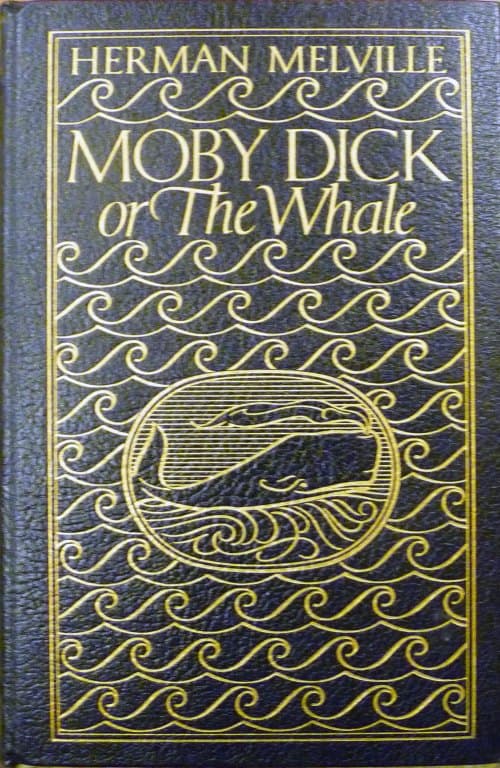
Moby-Dick Summary and Complete Study Guide
by Herman Melville
Published: 1851AdventureAmerican Classic
Complete Study Resources:
✓ Full plot summary
Captain Ahab's monomaniacal quest for revenge against a white whale leads his crew toward inevitable doom.
Complete Plot Summary
Ishmael joins the crew of the Pequod in Nantucket. The voyage seems normal at first—lots of whaling, lots of technical details about whaling that Melville loves explaining. But Captain Ahab reveals his true purpose: he doesn't care about profitable whaling, he wants revenge on Moby Dick. Starbuck protests, but Ahab's charisma and madness grip the crew. They chase rumors of the white whale across oceans. Every time they encounter other ships, Ahab only wants to know: have you seen Moby Dick? His obsession overwhelms everything—profit, safety, sanity.
Main Characters in Moby-Dick
Moby-Dick features complex characters representing different aspects of society and the human condition.
Ahab embodies destructive obsession and hubris. Ishmael serves as philosophical narrator who survives through observation not action. Queequeg represents cross-cultural friendship. Starbuck represents rational opposition powerless against charismatic madness.
Major Themes in Moby-Dick
Melville explores obsession, nature's indifference, and the danger of projecting meaning onto an uncaring universe. The white whale symbolizes blank inscrutability. The diverse Pequod crew represents American multiculturalism. The book critiques capitalist exploitation and examines whether cosmic meaning exists or humans create it through narrative.
The Ending Explained
They finally find Moby Dick. Over three days, Ahab attacks the whale again and again. The whale destroys the whaleboats and rams the Pequod, sinking it. Ahab gets tangled in his own harpoon line and gets dragged into the depths. The entire crew drowns except Ishmael, who survives by clinging to Queequeg's coffin (which is poetic and symbolic). Melville's point? Obsession destroys not just you but everyone around you. Nature is vast and indifferent to human revenge fantasies. The whale isn't evil—Ahab projects his rage onto it. Some battles can't be won, and refusing to accept that guarantee ruins everyone. It's about the danger of letting one goal consume your entire existence.
Famous Quotes from Moby-Dick
“Call me Ishmael.”
Why This Book Matters
Published in 1851, failed commercially. Rediscovered in 1920s as modernist masterpiece. Now considered one of greatest American novels.
Ready to Dive Deeper?
Explore detailed analysis, essay examples, and study tools: