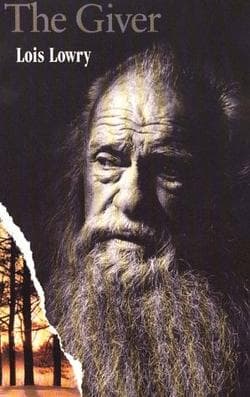
The Giver book cover

The Giver Summary and Complete Study Guide

by Lois Lowry
Published: 1993Science FictionNewbery Medal 1994

Complete Study Resources:

✓ Full plot summary

In a perfect society without pain, a 12-year-old receives humanity's memories and learns what his world sacrificed for sameness.

Complete Plot Summary

Jonas lives in a Community where everything is controlled—jobs, families, emotions. Colors don't exist (or people can't see them). Everyone takes pills to suppress feelings. At the Ceremony of Twelve, Jonas gets selected as the new Receiver. He starts training with the Giver, who transmits memories of the world before Sameness—war, but also sunshine and snow and color and music. Jonas sees red for the first time. He learns about love. He discovers his father "releases" (kills) babies who don't meet standards.

Main Characters in The Giver

The Giver features complex characters representing different aspects of society and the human condition.

Jonas is selected to become the Receiver of Memory at age twelve. The Giver is the old man who holds all of humanity's memories and must transfer them to Jonas. Jonas's parents and little sister Lily seem perfect but emotionless. Asher is Jonas's best friend. Fiona works at the House of the Old. The Chief Elder assigns everyone their life roles.

Complete Character Analysis →

The Ending Explained

Jonas learns that "release" means death. His father killed a twin baby that morning without feeling anything. Jonas decides he can't stay in a community that trades humanity for comfort. He steals a baby (Gabriel) scheduled for release and escapes. The Giver stays behind to help the Community deal with receiving all the memories once Jonas leaves. Jonas and Gabriel nearly freeze crossing the wilderness, but Jonas keeps going. The ending is ambiguous—they reach a house with lights and music, or maybe Jonas is dying and hallucinating. Either way, he chose uncertain freedom over comfortable imprisonment. Lowry asks: is eliminating pain worth eliminating joy? Can you have love without loss? The Community avoided war and suffering but lost what makes life meaningful. Sometimes the memories of pain are what make us human. It resonates because it shows how dystopias don't announce themselves as evil—they present as perfect solutions.

Famous Quotes from The Giver

The worst part of holding the memories is not the pain. It's the loneliness of it.

If you were to be lost in the river, Jonas, your memories would not be lost with you.

Why This Book Matters

Published 1993, won the Newbery Medal. Started the modern YA dystopian trend that led to Hunger Games, Divergent, and others. Has sold over 10 million copies and is required reading in many schools. The ambiguous ending sparked decades of classroom debates—did Jonas and Gabriel survive or freeze to death? Lowry confirmed in later books they survived, but many teachers prefer leaving it open. The book asks hard questions about whether safety is worth sacrificing freedom, whether eliminating differences creates peace or just emptiness. It came out before smartphones and social media but feels eerily prescient about conformity and emotion suppression. Frequently challenged for its themes of euthanasia and sexuality, which somehow makes it more relevant. Kids read it in middle school and it sticks with them—the image of a colorless, emotionless society stays powerful.