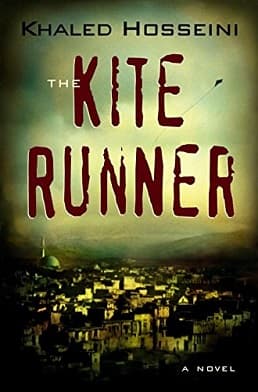
The Kite Runner book cover

The Kite Runner Summary and Complete Study Guide

by Khaled Hosseini
Published: 2003DramaBestseller - Over 7 million US sales

Complete Study Resources:

βœ“ Full plot summary

Childhood friends in Afghanistan are torn apart by betrayal, class differences, and decades of war before a chance at redemption appears.

Complete Plot Summary

Amir and Hassan grow up together in Kabul, but Amir knows their friendship is complicated by Hassan being a servant. After winning a kite tournament, Hassan runs to retrieve the last kite and gets cornered by Assef and his friends. They rape Hassan while Amir watches from hiding and does nothing. The guilt destroys Amir. He frames Hassan for theft to drive him away. Then the Soviet invasion happens, and Amir and Baba flee to America. Years pass. Amir becomes a writer, marries Soraya, but can't have children. Then Rahim Khan calls from Pakistan: "There is a way to be good again."

Main Characters in The Kite Runner

The Kite Runner features complex characters representing different aspects of society and the human condition.

Amir is the privileged Pashtun boy who loves kite fighting and desperately wants his father Baba's approval. Hassan is his Hazara servant, loyal to a fault, who calls Amir "friend" despite the class divide. Assef is the neighborhood bully and sociopath who becomes Taliban later. Soraya becomes Amir's wife in America. Rahim Khan is Baba's friend who eventually reveals the truth Amir needs to hear.

Complete Character Analysis β†’

The Ending Explained

Rahim Khan reveals that Hassan was actually Amir's half-brotherβ€”Baba was Hassan's father too. Hassan is dead now, killed by the Taliban, but he had a son named Sohrab who's trapped in an orphanage in Taliban-controlled Afghanistan. Amir goes back to rescue him and confronts Assef again, getting beaten badly but finally standing up for someone. He adopts Sohrab and brings him to America, but the boy is traumatized and silent. The final scene has them flying kites together, and Sohrab smiles for the first time. What hits hard? You can't undo the past, but you can face it. Redemption is possible but never easy or complete. Class and ethnic divisions destroy relationships. Watching injustice happen makes you complicit. The book shows Afghanistan's tragedy through personal stories, making the political personal. And sometimes being good again means risking everything for someone else's child.

Famous Quotes from The Kite Runner

β€œFor you, a thousand times over.”

β€œThere is a way to be good again.”

Why This Book Matters

Published 2003, became an international phenomenon just as Americans were paying attention to Afghanistan post-9/11. It humanized Afghanistan beyond war headlines, showing the country's culture, history, and personal stories. The first Afghan-American novel to make it big. Spent two years on the New York Times bestseller list. The 2007 film brought it to even wider audiences. Hosseini's accessible prose made Afghanistan's tragedy relatable to Western readers who knew little about the region. It sparked interest in Afghan literature and culture. Some Afghan readers criticized it for reinforcing stereotypes or focusing on trauma, but it undeniably introduced millions to Afghanistan's human dimension. Launched Hosseini's career and put Afghan voices in contemporary literature.