← Back to all books
The Lord of the Rings
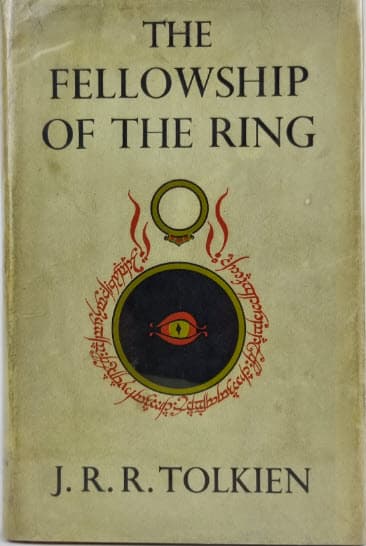
The Lord of the Rings Summary and Complete Study Guide
by J.R.R. Tolkien
Published: 1954Fantasy17 Academy Awards (films)
Complete Study Resources:
✓ Full plot summary
Hobbits, wizards, elves, and men unite to destroy an evil ring before the Dark Lord Sauron enslaves Middle-earth.
Complete Plot Summary
Frodo inherits a magic ring from Bilbo, then learns it's THE One Ring that the evil Sauron needs to conquer Middle-earth. The only way to stop Sauron is destroying the Ring in Mount Doom, which happens to be in Sauron's backyard. The Fellowship of nine sets out—hobbits, men, an elf, a dwarf, and a wizard. They're attacked constantly. Gandalf falls fighting a Balrog. Boromir tries to take the Ring and dies redeeming himself. The Fellowship breaks. Frodo and Sam continue to Mordor while Aragorn, Legolas, and Gimli help fight Saruman and rally Middle-earth's armies.
Main Characters in The Lord of the Rings
The Lord of the Rings features complex characters representing different aspects of society and the human condition.
**Frodo Baggins**: Represents the unlikely hero—small, non-warrior, chosen not for strength but for resistance to corruption. His burden (the Ring) grows heavier as the journey continues, showing how carrying evil affects the bearer. His ultimate failure at Mount Doom is crucial: even the purest person reaches their limit. His inability to return to normal life afterward reflects PTSD—some missions change you permanently. Tolkien (a WWI veteran) understood that heroes don't always get happy endings.
**Samwise Gamgee**: The true hero, according to many readers. His loyalty never wavers even when Frodo, corrupted by the Ring, tells him to leave. Sam represents ordinary goodness, gardening and home, simple virtues that save the world. His carrying Frodo up Mount Doom ("I can't carry it for you, but I can carry you") is the series' most powerful image of friendship.
**Aragorn**: The hidden king working as a ranger represents responsibility accepted despite burden. His arc is about accepting his heritage and the throne he's avoided. He shows leadership through service—he doesn't demand to be king; he earns it through sacrifice.
**Gollum**: The Ring's corruption personified. He was once Sméagol, a hobbit-like creature who murdered for the Ring and was twisted by it over centuries. His dual personality (Sméagol vs. Gollum) shows internal struggle. Ironically, his obsession saves Middle-earth—his attack on Frodo leads to the Ring's destruction. Tolkien suggests even corrupted beings serve a purpose.
Major Themes in The Lord of the Rings
**Power Corrupts**: The Ring tempts everyone—Boromir, Gandalf, Galadriel, even Frodo. Those who refuse it (Gandalf, Galadriel) do so knowing they'd become tyrants. The only safe Ring-bearers are those who don't seek power (hobbits). Tolkien, writing after WWII, understood absolute power's danger regardless of who wields it.
The Ending Explained
Frodo and Sam finally reach Mount Doom, but after carrying the Ring so long, Frodo can't destroy it—he claims it for himself. Gollum bites off Frodo's finger to get the Ring but falls into the lava, destroying the Ring and himself. Sauron is defeated. Aragorn becomes king and marries Arwen. But Frodo is too damaged by his ordeal to find peace in the Shire. He sails to the Undying Lands with Gandalf and the elves, seeking healing. The hobbits (except Frodo) get to live happily, but they're changed. Tolkien's themes? Ordinary people can change history. Power corrupts. True courage is continuing when you're terrified. Friendship and loyalty matter more than strength. And sometimes, winning doesn't mean returning to how things were—some wounds don't fully heal.
Famous Quotes from The Lord of the Rings
“All we have to decide is what to do with the time that is given us.”
“Even the smallest person can change the course of the future.”
Why This Book Matters
Published 1954-1955, the trilogy has sold over 150 million copies. The Peter Jackson films (2001-2003) won 17 Academy Awards and introduced Middle-earth to new generations. It created the modern fantasy genre—every fantasy quest story owes it a debt. Tolkien's world-building remains unmatched in depth and linguistic detail.
Ready to Dive Deeper?
Explore detailed analysis, essay examples, and study tools: