The Sun Also Rises
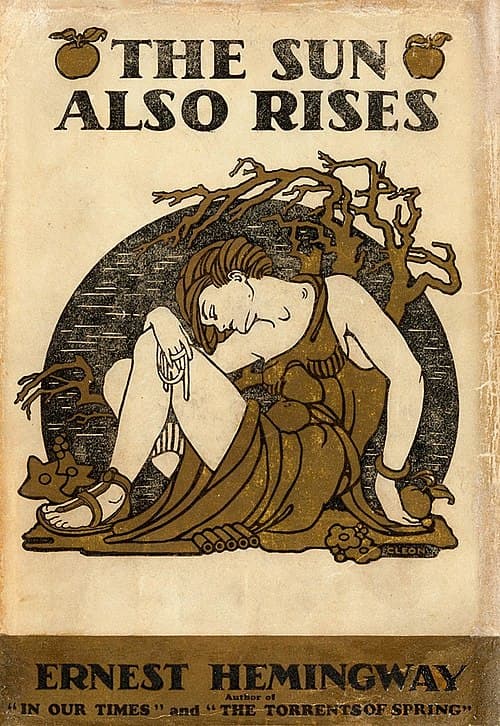
The Sun Also Rises Summary and Complete Study Guide
Complete Study Resources:
Ernest Hemingway's 1926 masterpiece about Jake Barnes and the Lost Generation—American and British expatriates in 1920s Paris and Spain, damaged by WWI and searching for meaning in a world where traditional values have collapsed.
What is The Sun Also Rises About? (Quick Summary)
Quick Answer: The Sun Also Rises is Ernest Hemingway's 1926 masterpiece about American and British expatriates in 1920s Paris and Spain—the "Lost Generation" damaged by World War I. Jake Barnes, wounded in the war and rendered impotent, loves Lady Brett Ashley but cannot be with her. The novel follows their group from Paris cafes to bullfights at Pamplona, ending with Jake's famous line: "Isn't it pretty to think so?"—acknowledging their impossible love.
Frequently Asked Questions
❓ What is the "Lost Generation"?
Term coined by Gertrude Stein describing the generation damaged by WWI. They're "lost" because the war destroyed traditional values (God, nation, honor) with nothing to replace them.
❓ What is Jake's war wound?
Jake suffered a genito-urinary injury in WWI that renders him sexually impotent. Hemingway never describes it explicitly, leaving it submerged by his "iceberg theory" writing style.
❓ Why can't Jake and Brett be together?
Jake's wound makes physical relationship impossible, and Brett says she can't live without that. They love each other but his injury and her inability to commit make their relationship impossible.
❓ What does bullfighting symbolize?
Bullfighting represents Hemingway's masculine ideal: grace under pressure, authentic expertise, facing death with skill. It's what they have "instead of God"—providing meaning in a meaningless post-war world.
❓ What is the iceberg theory?
Hemingway's minimalist writing style where 7/8 of meaning is beneath the surface. He omits details so readers must infer—creating deeper meaning than explicit statement could achieve.
❓ What does "Isn't it pretty to think so?" mean?
Jake's famous last line responding to Brett's fantasy they could have had a good time together. It means: yes, it's beautiful to imagine, but we both know it's impossible. Bitter acknowledgment of lost possibilities.
Complete Plot Summary
Main Characters in The Sun Also Rises
Hemingway's characters represent different responses to post-WWI trauma and the Lost Generation's search for meaning in a world where traditional values have collapsed.
Jake Barnes
American journalist and narrator, wounded in WWI leaving him impotent. Loves Brett but cannot have her. Embodies "grace under pressure."
Read full analysis →Lady Brett Ashley
The New Woman of the 1920s—sexually liberated but emotionally trapped. Loves Jake but can't commit, engaged to Mike but has multiple affairs.
Read full analysis →Robert Cohn
Jewish American writer who clings to romantic delusions. The group's outsider, mocked for his earnestness and inability to accept post-war cynicism.
Read full analysis →+ 3 More Characters
Pedro Romero, Mike Campbell, and Bill Gorton - each embodying different approaches to Lost Generation existence.
View all characters →Major Themes in The Sun Also Rises
The Lost Generation & Post-War Trauma
Characters exemplify a generation damaged by WWI—drinking constantly, drifting aimlessly, unable to find meaning. Traditional values destroyed with nothing to replace them. They survived physically but died spiritually.
Masculinity in Crisis
Jake's wound symbolizes emasculation of entire generation. Traditional masculine roles (warrior, lover, provider) impossible after war. Hemingway proposes revised code: grace under pressure, authentic expertise, emotional restraint.
The Ending Explained
How does The Sun Also Rises end?
Famous Quotes from The Sun Also Rises
“You can't get away from yourself by moving from one place to another.”
“Isn't it pretty to think so?”
“Nobody ever lives their life all the way up except bull-fighters.”
Why This Book Matters
The Sun Also Rises defined the Lost Generation and revolutionized American prose. Hemingway's minimalist "iceberg theory" style—leaving most meaning unstated—changed how novels could be written and what they could express about trauma and loss.
Impact and Significance:
- •Revolutionary Style: The iceberg theory influenced generations of writers from Raymond Carver to Cormac McCarthy
- •Defining WWI Literature: Captured post-war trauma more honestly than any previous novel
- •Masculine Code: "Grace under pressure" became shorthand for Hemingway's stoic ideal
- •Cultural Icon: "Isn't it pretty to think so?" remains one of literature's most famous last lines
Ready to Dive Deeper?
Explore detailed analysis, essay examples, and study tools:
Character Analysis
Deep dive into Jake Barnes, Lady Brett Ashley, Robert Cohn, and all major characters representing different Lost Generation responses.
Read more →Themes & Symbols
Explore the Lost Generation, masculinity crisis, bullfighting symbolism, impossible love, and Hemingway's iceberg theory.
Read more →Chapter Summaries
Complete breakdown of all 19 chapters across 3 Books with key events, quotes, and analysis for each chapter.
Read more →Essay Examples
5 complete essay examples with prompts, thesis statements, outlines, and full sample essays.
Read more →Study Tools: Quiz & Flashcards
Test your knowledge with 50 interactive flashcards and a 21-question quiz with instant feedback.
Start studying →About Ernest Hemingway
Learn about Hemingway's life as WWI ambulance driver, Paris expatriate, and how his iceberg theory revolutionized American prose.
Read biography →