← Back to all books
Wuthering Heights
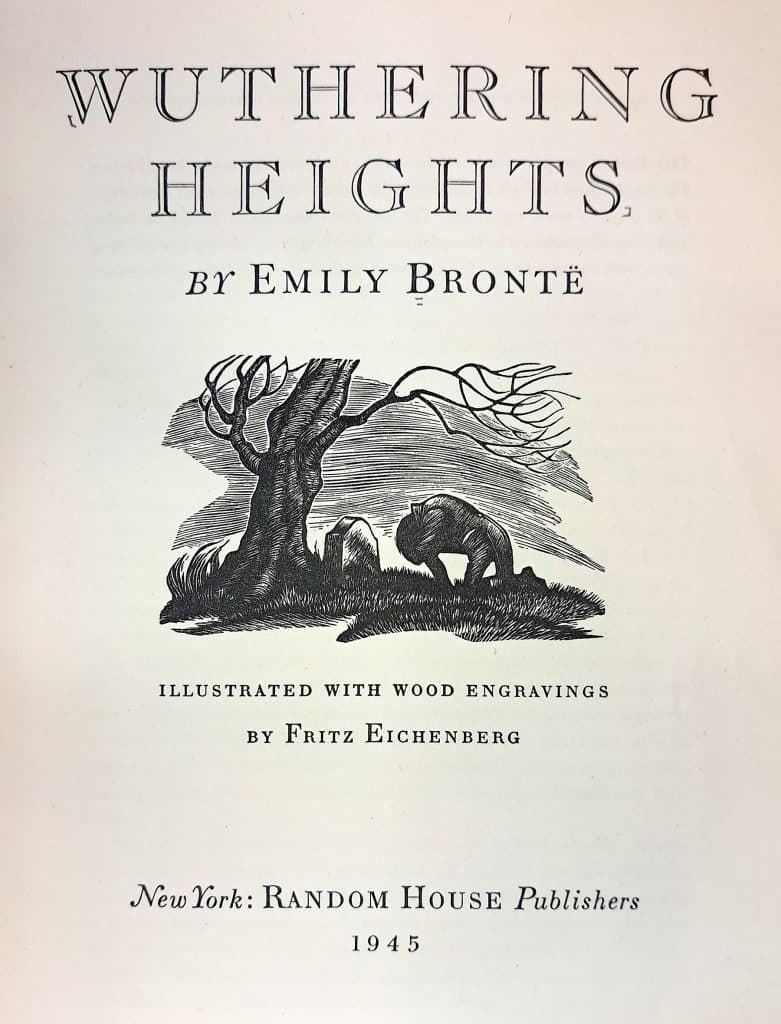
Wuthering Heights Summary and Complete Study Guide
by Emily Brontë
Published: 1847RomanceGothic Classic
Complete Study Resources:
✓ Full plot summary
Heathcliff and Catherine's toxic love spans decades, destroying multiple generations in a bleak Yorkshire setting.
Complete Plot Summary
Catherine and Heathcliff grow up together with this intense, probably unhealthy bond. But Catherine decides to marry Edgar Linton for status and money, breaking Heathcliff's heart. Heathcliff disappears for three years, returns wealthy, and begins a systematic revenge campaign. He marries Edgar's sister Isabella to hurt Edgar, treats her terribly, and acquires both estates through manipulation. Catherine goes mad from being caught between the two men and dies giving birth. Heathcliff keeps going, determined to ruin everyone.
Main Characters in Wuthering Heights
Wuthering Heights features complex characters representing different aspects of society and the human condition.
**Heathcliff**: Possibly literature's most complex villain-protagonist. An orphan from Liverpool brought to Wuthering Heights by Mr. Earnshaw. After Earnshaw dies, Hindley degrades him to servant status. Catherine's declaration that marrying him would degrade her breaks him completely. His three-year absence transforms him from abused servant to wealthy gentleman (we never learn how—possibly crime). His revenge is systematic: marry Isabella to hurt Edgar, acquire both properties through legal manipulation, force marriages to control inheritance. But revenge doesn't satisfy him. He's driven by Catherine's ghost, and his final starvation-death suggests he chooses to join her rather than continue living in hate. Is he sympathetic? Yes and no—childhood abuse explains but doesn't excuse decades of cruelty.
**Catherine Earnshaw**: Wild, selfish, passionate. Her famous line "I am Heathcliff" suggests their souls are the same, but her actions contradict this—she marries Edgar for comfort while claiming her spiritual bond is with Heathcliff. Her madness comes from trying to have both men, both worlds (civilized Grange, wild Heights). Her declaration "I've no more business to marry Edgar Linton than I have to be in heaven" while planning to marry him anyway shows the internal contradiction that destroys her. She dies young, but her ghost haunts the entire second half. Modern readers debate: is she a victim of limited female choices, or is she selfish and cruel? Probably both.
**Edgar Linton**: Represents civilization, culture, and gentility—everything Heathcliff isn't. He truly loves Catherine and treats her well, but he bores her. He's kind but weak—he can't protect his wife from Heathcliff's psychological torment, can't stop his daughter being forced into marriage. The Lintons represent refined society that's too delicate to withstand raw passion and cruelty. Heathcliff destroys them without breaking a sweat.
**Second Generation**: Young Catherine, Linton, and Hareton replay their parents' relationships but with a better outcome. Young Catherine is spirited like her mother but kinder. Hareton was degraded by Heathcliff like Heathcliff was by Hindley, but he's not broken. Catherine teaches him to read, breaking the cycle of abuse with education and compassion. Their love represents hope that the next generation can choose differently.
Major Themes in Wuthering Heights
**Is It Romance or Horror?**: People call it romantic because the love is intense. But read closely: Heathcliff and Catherine are toxic. She drives him to revenge by marrying someone else. He retaliates by destroying everyone. Their "love" kills Catherine, Isabella, Edgar, Hindley, his own son Linton, and nearly destroys the younger generation. Emily Brontë isn't celebrating this; she's showing obsession disguised as love. The moors are beautiful but harsh—perfect setting for a relationship that's passionate but destructive.
The Ending Explained
Heathcliff forces young Catherine to marry his sickly son Linton, ensuring he inherits everything. When Linton dies, Catherine is left with nothing. Eventually, young Catherine and Hareton (Hindley's son) start falling for each other despite Heathcliff's efforts. Heathcliff, now old and worn out from years of hatred, starts seeing Catherine's ghost everywhere. He stops eating, wanders the moors, and dies. Young Catherine and Hareton finally get their happiness, breaking the cycle. The brutal lesson? Obsessive love destroys. Revenge consumes everyone. Choosing hatred over healing means wasting your entire life. And sometimes the damage done to one generation echoes through the next. It's not a romance—it's a cautionary tale about how refusing to let go can poison everything you touch.
Famous Quotes from Wuthering Heights
“I am Heathcliff!”
“Whatever our souls are made of, his and mine are the same.”
Why This Book Matters
Published in 1847 by Emily Brontë under the pen name Ellis Bell. Initially shocking Victorian readers with its violence and amorality, it's now considered a masterpiece. The Gothic romance has influenced countless works and sparked endless debates about toxic love versus passionate romance.
Ready to Dive Deeper?
Explore detailed analysis, essay examples, and study tools: