Lord of the Flies
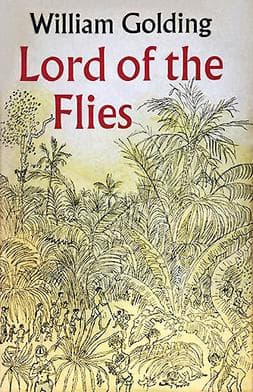
Lord of the Flies: Summary and Complete Study Guide
Complete Study Resources:
British schoolboys stranded on an island descend from civilization into savagery faster than you'd think possible.
What is Lord of the Flies About? (Quick Summary)
Quick Answer: Lord of the Flies is William Golding's 1954 novel about British schoolboys stranded on an uninhabited island who attempt to govern themselves but descend into savagery. Led initially by Ralph (order) and Piggy (reason), the boys split when Jack (violence) forms his own tribe focused on hunting. Two boys are murdered, and civilization completely collapses before rescue arrives. The novel explores human nature's darkness and how quickly civilization can fail.
Frequently Asked Questions
❓ What does the conch symbolize?
The conch shell symbolizes law, order, and democratic civilization. Whoever holds it can speak at meetings. Its destruction represents the end of civilized society on the island.
❓ What is the beast?
The beast the boys fear is actually a dead parachutist. But symbolically, the beast represents the evil and savagery within human nature itself—as Simon discovers, "maybe it's only us."
❓ How does it end?
Jack's tribe hunts Ralph to kill him. Ralph flees to the beach where a British naval officer has arrived. The boys are rescued, but they've committed murder and lost their innocence.
❓ Who is killed in the novel?
Simon is murdered first when boys mistake him for the beast during a ritual frenzy. Piggy is murdered second when Roger deliberately crushes him with a boulder.
❓ What does the title mean?
"Lord of the Flies" is a translation of Beelzebub, a name for the devil. It refers to the pig's head covered in flies, representing evil within humanity.
❓ Are humans inherently evil?
Golding suggests humans have capacity for evil that emerges without civilization's constraints. The novel is pessimistic about human nature but shows some (Simon, Piggy) resist savagery.
Complete Plot Summary
Main Characters in Lord of the Flies
Ralph
Elected chief who represents order, civilization, and democratic leadership. Struggles to maintain authority as savagery spreads.
Read full analysis →Jack
Choir leader turned savage hunter-chief. Represents authoritarianism, violence, and humanity's savage instincts unleashed.
Read full analysis →Piggy
The intellectual voice of reason with glasses and asthma. Represents science, logic, and civilization's vulnerability to violence.
Read full analysis →Simon
Spiritual, sensitive boy who discovers the beast is human evil. Represents goodness and is murdered during ritual frenzy.
Read full analysis →Major Themes in Lord of the Flies
Civilization vs Savagery
The boys' descent from organized democracy to tribal violence shows how fragile civilization is and how quickly humans revert to savagery without society's constraints.
Human Nature's Darkness
Golding argues humans have innate capacity for evil. The beast isn't external—it lives within all of us, waiting for circumstances to unleash it.
The Ending Explained
How does Lord of the Flies end?
Why This Book Matters
Lord of the Flies is a devastating exploration of human nature and civilization's fragility. Golding's post-WWII pessimism challenged romantic views of human innocence, showing that evil lurks within all of us.
Impact and Significance:
- •Timeless Allegory: Shows how quickly society can collapse into chaos and violence
- •Human Nature: Challenged optimistic views of humanity with darker, more realistic psychology
- •Cultural Impact: "Lord of the Flies scenario" now describes any breakdown of order into chaos
- •Nobel Recognition: Golding won Nobel Prize largely for this novel's insight into human condition
Ready to Dive Deeper?
Explore detailed analysis, essay examples, and study tools:
Character Analysis
Deep dive into Ralph, Jack, Piggy, Simon, Roger and what each represents.
Read more →Themes & Symbols
Explore civilization vs savagery, the conch, the beast, fire, and Piggy's glasses.
Read more →Chapter Summaries
Complete breakdown of all 12 chapters tracking the descent into savagery.
Read more →Essay Examples
5 complete essay examples with prompts and full samples.
Read more →Study Tools
50 interactive flashcards and 20-question quiz.
Start studying →About William Golding
Learn about the Nobel Prize winner and his WWII experiences that shaped this dark vision.
Read biography →