About J.D. Salinger
The reclusive author of The Catcher in the Rye
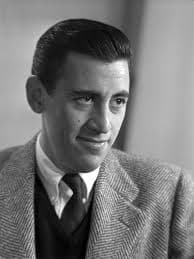
Quick Facts:
- Full Name:
- Jerome David Salinger
- Nationality:
- American
- Famous Work:
- The Catcher in the Rye
- Known For:
- Reclusiveness, teenage alienation themes
Who Was J.D. Salinger?
Salinger's Writing Style
Salinger's prose captures authentic teenage voice through Holden's vernacular, digressions, and stream of consciousness. The informal language ("goddam," "phony," "and all") sounds genuinely adolescent. Salinger uses repetition, contradictions, and tangents to mirror how teenagers actually think and speak. His sentences are conversational, immediate, confessional—as if Holden is talking directly to the reader. This stylistic authenticity made the novel revolutionary and controversial.
Legacy and Impact
Catcher became voice of teenage rebellion and alienation. "Holden Caulfield" became shorthand for disaffected youth. The novel has sold over 65 million copies and remains taught in schools worldwide despite frequent challenges for language and themes. Salinger's influence extends beyond literature to culture—the idea of authentic teenager versus phony adult world became permanent cultural touchstone. His reclusive life added to his mystique, making him as enigmatic as his creation.
Other Works by J.D. Salinger
Nine Stories (1953)
Short story collection including "A Perfect Day for Bananafish"
Franny and Zooey (1961)
Two linked stories about the Glass family
Raise High the Roof Beam, Carpenters (1963)
More Glass family stories
Seymour: An Introduction (1963)
Character study of Seymour Glass
The Reclusive Author
After the success of The Catcher in the Rye, Salinger became increasingly reclusive, rarely granting interviews and avoiding public appearances. In 1953, he moved to Cornish, New Hampshire, where he lived in seclusion for the rest of his life. He built a concrete bunker on his property where he wrote daily, though he stopped publishing in 1965.
Salinger fiercely protected his privacy and his work. He sued to prevent unauthorized publication of his letters and refused to authorize film adaptations of his works. When he died in 2010 at age 91, he left behind a legendary literary legacy based on one novel, one novella, and a handful of short stories—all written before his self-imposed silence.